Where to stay in Azores
The Azores is an archipelago of nine volcanic islands, meaning your choice of base dictates your access to specific landscapes. São Miguel is the primary hub, offering the most infrastructure and transit connectivity. Choosing where to stay involves prioritizing either proximity to volcanic crater lakes, thermal springs, or the rugged coastline. Relying on a rental car is essential for exploring beyond your immediate village, as public transport is limited and infrequent between the more remote interior regions.
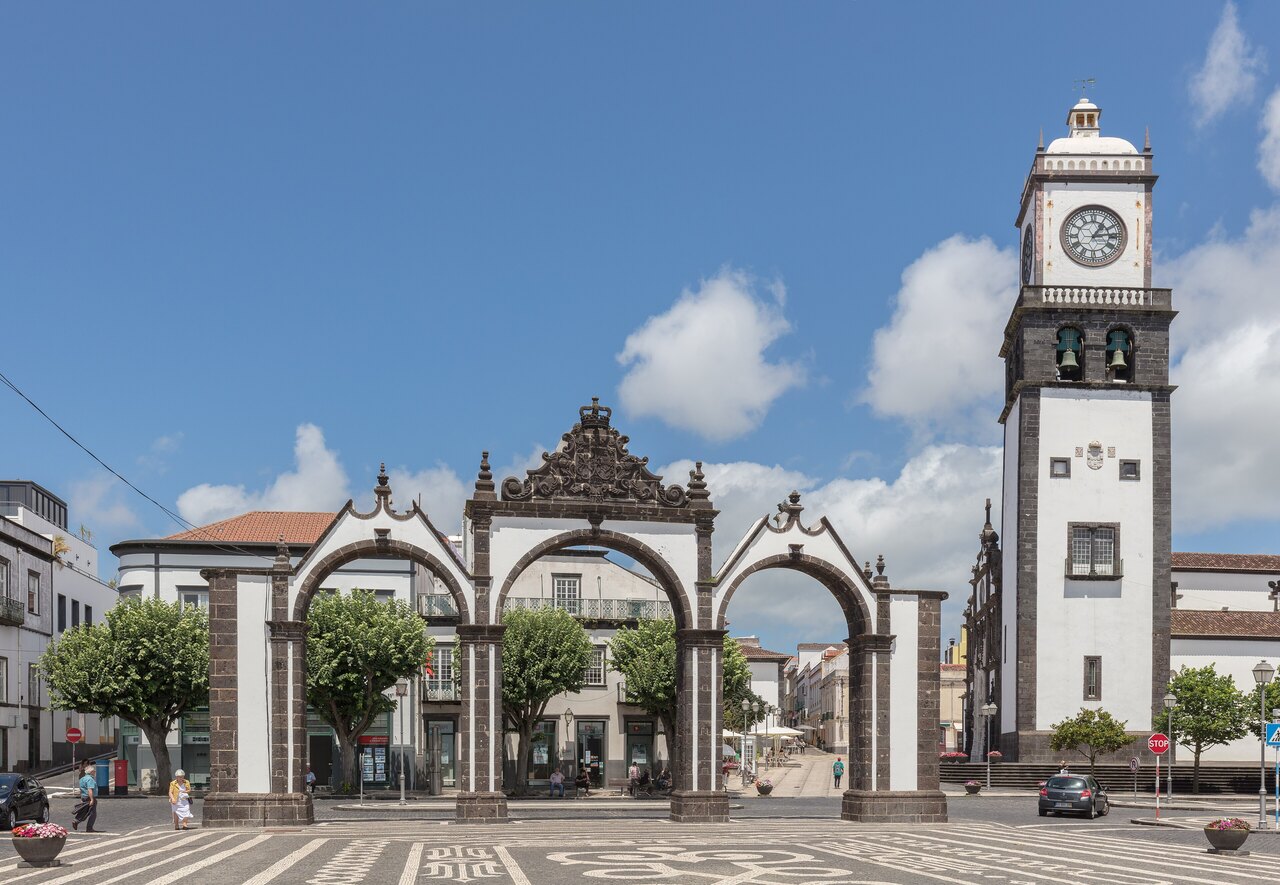
Ponta Delgada, São Miguel
This is the functional heart of the islands, defined by black-and-white basalt architecture and bustling harborside plazas. You can easily walk to the Portas da Cidade gates and the Mercado da Graça. It serves as the primary transport node, meaning you can reach major regional highways quickly. The atmosphere is authentically Portuguese, filled with busy cafes, local seafood restaurants, and colonial-era churches overlooking the Atlantic.
Furnas, São Miguel
Tucked inside a massive volcanic crater, the town is shrouded in steam and sulfurous mist. It is incredibly walkable, allowing you to stroll to the Terra Nostra Garden or the Poça da Dona Beija thermal pools in minutes. The streets are lined with traditional homes and small eateries serving Cozido, a local stew cooked underground by volcanic heat. It feels intimate, quiet, and deeply connected to the island's geothermal power.
Angra do Heroísmo, Terceira
This city features vibrant, colorful buildings and a layout reflecting its past as a vital stopover for trans-Atlantic ships. The central grid is exceptionally walkable, leading you directly to the Duke of Terceira Garden and the Sé Cathedral. It balances historical gravity with a lively local social scene, providing easy access to the nearby Monte Brasil peninsula for hiking and coastal viewpoints that overlook the central Atlantic expanse.
Rent a car in Azores
Compare rental cars from local and international companies, with free cancellation on most bookings.
Compare car rentals in AzoresOne thing to think about
Avoid staying in remote, isolated coastal villages if you are not prepared to drive winding, narrow mountain roads at night. Many small settlements lack dining options after sunset, and relying on taxis for dinner or airport transfers will quickly become prohibitively expensive and logistically frustrating.
Other places to stay in Portugal: lastminute.com · SANA Hotels · Megabon
Once you have a bed
The things that sell out first in Azores are the small-group tours and the skip-the-line tickets.
Top tours & activities in Azores
Common questions
Do I really need a rental car to see the islands?
Public transportation is unreliable for tourists wanting to see the main sights. While buses connect major towns, they rarely reach the trailheads, crater viewpoints, or remote coastal cliffs. Renting a car provides the freedom to adjust your plans based on the rapidly changing island weather, which is a major factor in the Azores.
Which island is best for a first-time visitor?
São Miguel is the clear choice for a first trip. It contains the most famous landscapes, such as Sete Cidades and Furnas, alongside the largest concentration of restaurants and hotels. It offers a perfect introduction to the unique geology and culture of the archipelago without the logistical complexity of inter-island travel.
What is the best time of year to visit?
Late spring through early autumn offers the most stable weather for hiking and whale watching. July and August are the warmest months but see higher visitor numbers. If you prefer quieter trails and blooming hydrangeas, June and September are ideal. Always prepare for four seasons in a single day, regardless of your chosen travel dates.
Hotel links go to Booking.com. If you book through them TonyPlan earns a small commission — the price you pay is exactly the same.