Perù

Perù: pianifica il tuo viaggio
con l'AI

Ottieni un itinerario personalizzato completo in pochi secondi. Hotel, voli, attività e gemme nascoste — tutto pianificato da Tony AI.

Pianifica il mio viaggio in Perù →

Perché visitare Perù?

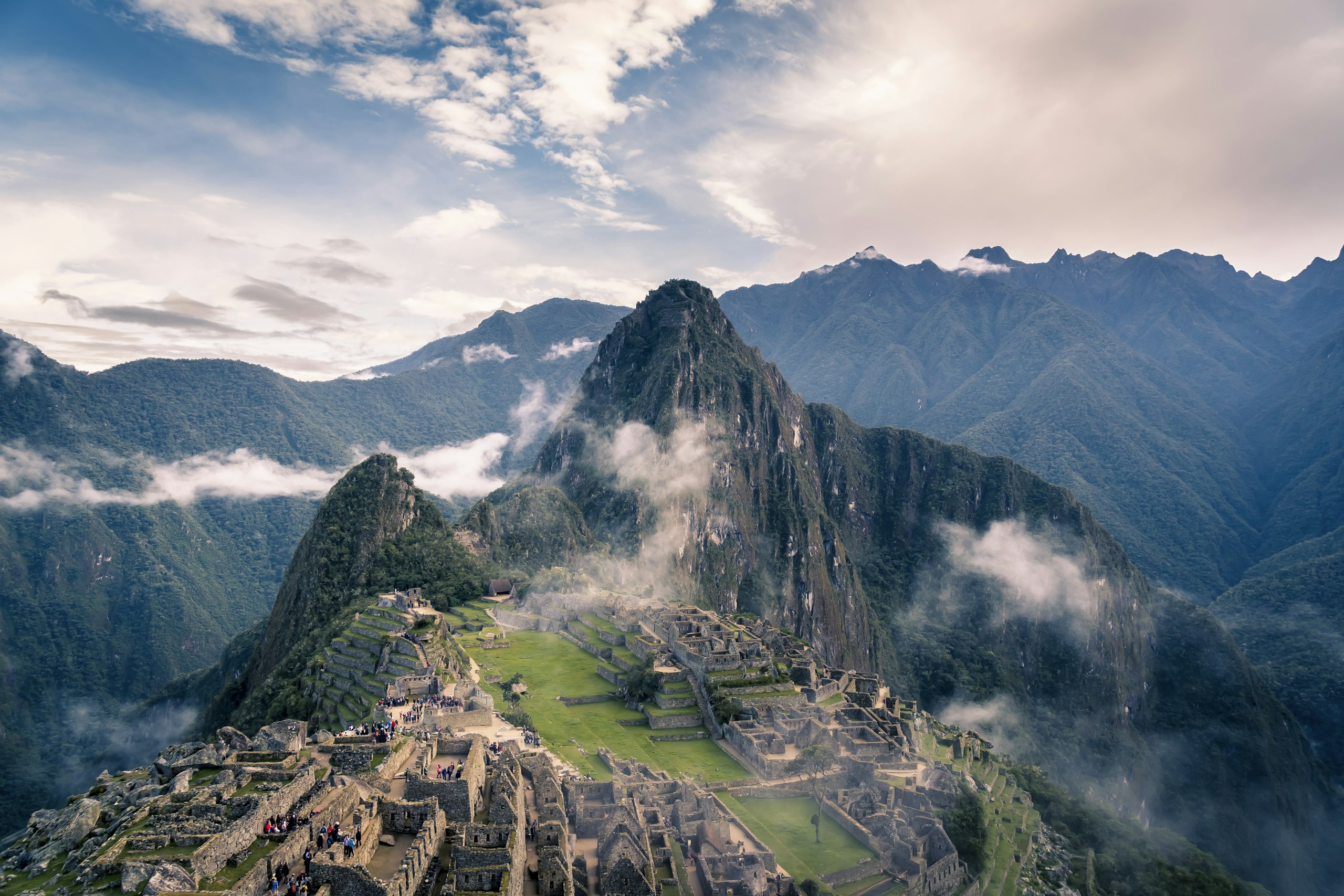
Home to one of the world's great wonders, Peru layers ancient empires over jaw-dropping landscapes. Trek the Inca Trail or ride the scenic train to Machu Picchu, the mist-wreathed citadel high in the Andes, then explore the Inca capital of Cusco and the terraced Sacred Valley. Wander the colonial arcades of Arequipa beneath snowy volcanoes, soar over the mysterious Nazca Lines, and drift into the Amazon from Iquitos or Puerto Maldonado for pink dolphins and macaws. Float on the reed islands of Lake Titicaca, hike the rainbow-hued Vinicunca mountain, and savour Lima's world-renowned ceviche and fusion cuisine. Peru rewards adventurous travellers with archaeology, wildlife and altitude-defying scenery. Because altitude, permits and distances require careful planning, let Tony handle it: our AI sequences your route to acclimatise safely, secure the right timing for Machu Picchu, and balance mountains, jungle and coast. Tell Tony your interests and fitness, and he builds a personalised Peruvian itinerary that flows smoothly from Lima's kitchens to Andean peaks and Amazon lodges, timing everything around trek permits and weather so your journey feels seamless and unforgettable.

Spiagge e natura

Pacific surf breaks near Lima and Mancora, plus the wildlife-rich Paracas coastline.

Cucina locale

Fresh ceviche, tender lomo saltado, roast cuy, quinoa dishes and creamy causa.

Periodo migliore

May to September, the dry season, for trekking and clear mountain views.

Pianifica il tuo viaggio con Tony AI: Perù

Tony AI crea itinerari giorno per giorno personalizzati in base a budget, stile di viaggio e interessi. Basta ore di ricerca: il tuo piano perfetto in pochi secondi: Perù.

Prenota il tuo viaggio in Perù

Tutto per il tuo viaggio: Perù

Prenota voli, soggiorni, tour e altro — tutto in un unico posto

Altre opzioni: Kiwi.com · Oojo · seats.aero · Arangrant · QEEQ · VIP Cars · GetTransfer · ViaToVia · Saily · Yesim · GigSky · Klook · EF Ultimate Break · EF Adventures · AirHelp Plus · CruiseDirect

Local partners in Peru: Casa Andina

Popular experiences in Peru

Ciò che i viaggiatori prenotano di più qui. Paghi lo stesso prezzo della prenotazione diretta.

Migliori tour e attività — Perù

Rent a car in Peru

Confronta le auto a noleggio di compagnie locali e internazionali, con cancellazione gratuita per la maggior parte delle prenotazioni.

Compare car rentals in Peru
Inizia a pianificare con Tony →

When to go to Peru

Mesi migliori (Perù): maggio, giugno, luglio, agosto e settembre. Massime intorno ai 18°C, affollamento in alta stagione: medio, e una settimana qui: prezzi medi.

gen
16°
min. 8°
28 giorni di pioggia
feb
16°
min. 8°
25 giorni di pioggia
mar
16°
min. 7°
27 giorni di pioggia
apr
17°
min. 7°
17 giorni di pioggia
mag
17°
min. 6°
10 giorni di pioggia
giu
17°
min. 4°
0 giorni di pioggia
lug
18°
min. 5°
2 giorni di pioggia
ago
19°
min. 5°
7 giorni di pioggia
set
19°
min. 6°
13 giorni di pioggia
ott
19°
min. 8°
20 giorni di pioggia
nov
18°
min. 8°
24 giorni di pioggia
dic
18°
min. 8°
25 giorni di pioggia
Evidenziati = mesi miglioriNumero = massima media diurnaBarra = quanto piove nel mese

Temperature e giorni di pioggia misurati, non stimati: rianalisi ERA5 2021-2023, punto Cusco, Cuzco Department. Fonte: Open-Meteo.

Pianificare Perù

Quando andare: PerùMese per mese, misuratoDove dormire: PerùQuale zona fa per teQuanti giorni servonoCosa sta in un soggiorno breve o lungo

Perù: consigli pratici

Come arrivare, come spostarsi e quanto costa una giornata: verificato dalla nostra redazione.

Arrivare in aereo

Most international travellers arrive at Jorge Chavez International Airport LIM in Lima. It serves as the primary hub for domestic connections to regional destinations. Upon landing, passengers typically use official airport taxis, pre-booked private transfers, or ride-sharing services to reach the city centre. For onward journeys to Cusco or other tourist hubs, travellers transfer to domestic flights within the same terminal or use long-distance bus networks that operate from various terminals across Lima.

Come spostarsi

Internal travel relies heavily on extensive long-distance bus networks, which connect most cities. Domestic flights are common for traversing large distances quickly. In mountainous regions, shared vans called combis provide local transit. Within major cities, walking is feasible in historic centres, while taxis and ride-sharing applications are common. Renting a car is generally discouraged for casual visitors due to challenging mountain driving conditions and complex traffic patterns in urban areas.

Dove alloggiare

  • Cusco — History enthusiasts interested in Incan architecture and access to the Sacred Valley and Machu Picchu.
  • Lima — Culinary travellers and those seeking a mix of coastal scenery and historic colonial urban architecture.
  • Arequipa — Travellers attracted to volcanic landscapes, white-stone colonial buildings, and deep canyons nearby.
  • Iquitos — Adventurers looking to explore the Amazon rainforest through boat excursions and unique jungle wildlife experiences.

Guida completa: dove dormire (Perù) →

Quanto costa una giornata

Budget€40–60
Fascia media€70–120
Comfort€150+

A persona al giorno, voli esclusi. Un'indicazione di massima, non un preventivo.

Soldi e mance

The official currency is the Peruvian Sol PEN. Credit cards are widely accepted in urban establishments and hotels, though small shops and rural areas remain cash-dependent. Carrying small denominations of local currency is essential for daily purchases. Tipping is not strictly mandatory but appreciated in restaurants, where rounding up or leaving five to ten percent is standard for good service.

Altre domande: Perù

How many days do you need in Peru?

A minimum of ten days is recommended to cover the highlights, including Lima, Cusco, and Machu Picchu. However, fifteen to twenty days is ideal to experience the country at a comfortable pace without rushing. This timeframe allows for proper altitude acclimatisation in the Andes and provides enough flexibility to include additional destinations like Lake Titicaca or the northern coast.

Perù: è sicuro per i turisti?

Peru is generally safe for tourists who remain vigilant in crowded areas and tourist hubs. Petty theft and pickpocketing are the primary concerns in major cities and transport terminals. It is advisable to use official transport options, keep valuables secure, and avoid walking alone in poorly lit areas at night. Following local advice and monitoring government travel guidance helps ensure a secure trip.

L’inglese è molto parlato? (Perù)

Spanish is the primary language and is spoken throughout the country. English is understood in major hotels, high-end restaurants, and by tour operators catering to international visitors in popular areas like Cusco. However, in rural communities, smaller towns, and local markets, English proficiency is rare. Learning basic Spanish phrases is highly recommended to facilitate smoother communication and enhance your travel experience.

Si può bere l’acqua del rubinetto? (Perù)

Tap water in Peru is not considered safe for human consumption due to the risk of bacterial contamination. Visitors should drink only bottled, filtered, or boiled water at all times. It is also wise to avoid ice cubes in drinks at casual establishments and to use bottled water for brushing teeth to prevent stomach illnesses that can disrupt travel plans.

Which places should first-time visitors see in Peru?

First-time visitors should prioritise the historic city of Cusco and the ruins of Machu Picchu. Lima is essential for its diverse culinary scene and coastal districts. Arequipa offers stunning colonial architecture and access to Colca Canyon. Including Lake Titicaca provides a unique cultural experience on high-altitude islands, while the mysterious Nazca Lines offer a fascinating glimpse into ancient coastal civilisations.

Perù — domande frequenti

Qual è il periodo migliore per visitare Perù?

Mesi migliori (Perù): maggio, giugno, luglio, agosto e settembre. Massime intorno ai 18°C, affollamento in alta stagione: medio, e una settimana qui: prezzi medi.

What is the weather like in Peru?

Mese più caldo: agosto, con massime intorno ai 19°C. Il più fresco: gennaio, circa 16°C di giorno e 8°C di notte. Il più piovoso: gennaio, con circa 28 giorni di pioggia. Medie misurate, non stime.

Perù: per cosa è famoso?

Perù: famoso soprattutto per la storia, la montagna, l'avventura, la fauna e l'escursionismo. Ciò che attira i visitatori: Machu Picchu citadel, Inca Trail, Nazca Lines, Lima ceviche, Vinicunca rainbow mountain.

Perù: per chi è ideale?

Perù è particolarmente adatto a: coppie, chi viaggia da solo, backpacker e fotografi. Si basa su ciò che c’è da fare, non su chi prenota di più.

What can you book in advance in Peru?

Le esperienze che si esauriscono per prime sono food tour, corsi di cucina, gite di un giorno, biglietti salta-fila, tour a piedi e tour serali. Puoi controllare disponibilità e prezzi sui nostri partner di prenotazione qui sotto: paghi lo stesso che prenotando direttamente.

Do I need a visa for Peru?

Dipende dal tuo passaporto e da quanto tempo resti, quindi non esiste una risposta unica. TonyPlan ha uno strumento per visti e requisiti d'ingresso: inserisci la tua nazionalità e ti dice cosa vale per te.

Ricevi la guida in PDF: Perù

Perché andarci, i mesi migliori con temperature reali misurate, in quale zona alloggiare e quanto costano i voli in questo momento: tutto in un unico file da leggere in aereo. Gratis.

Ti invieremo anche nuove guide e itinerari man mano che li pubblichiamo. Nessuna cadenza fissa, e puoi disiscriverti da qualsiasi email.

Stai pianificando Perù?

Periodo miglioreÈ caro?Con budget ridottoÈ sicuro?Quanti giorni

Strumenti gratuiti per il tuo viaggio: Perù

Calcola il budgetLista bagagliDurata del volo e jet lagConto alla rovescia per il viaggio