Home › Torres del Paine › How many days
How many days do you need in Torres del Paine?
Give Torres del Paine at least 4 days to handle unpredictable Patagonian weather and conquer the famous W Trek. Shorter stays rush the logistics and often miss the iconic granite towers due to cloud cover. Four days allows time for Grey Glacier, French Valley, and stunning lake lookouts without rushing.
Short answer
2 days
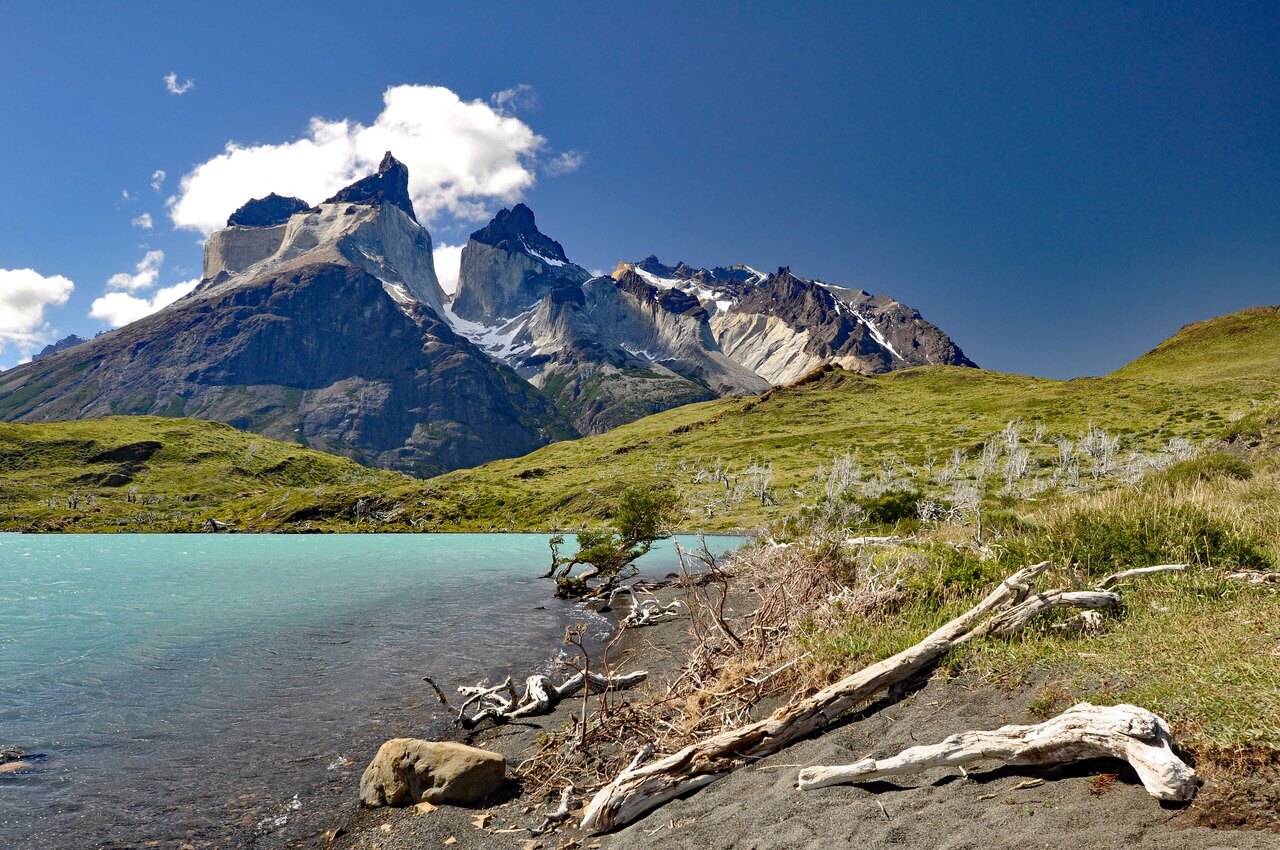
Focus strictly on a rushed day hike to Mirador Base Las Torres for the iconic granite towers, plus a quick afternoon boat trip on Lago Pehoé to view Salto Grande waterfall. You bypass deep park exploration and sleep heavily exhausted from intense transit.
You give up: You sacrifice the entire French Valley, Grey Glacier boat or hike, and the serenity of the remote western circuit sectors.
4 days
Tackle the classic W Trek segments efficiently. Day one, hike up to Base Las Torres. Day two, journey into the stunning French Valley. Day three, hike toward Grey Glacier's hanging bridges. Day four, explore Laguna Azul and the eastern pampas guanaco herds.
You give up: You still miss the full O-Circuit backcountry and prolonged weather contingency days for sudden Patagonian storms.
6 days
Complete the legendary O-Circuit counter-clockwise loop. Spend days conquering John Gardner Pass, viewing Southern Patagonian Ice Field expanses, and enjoying unhurried wildlife spotting in remote valleys away from central tourist hubs, guaranteeing deep immersion.
You give up: Zero major misses; this duration covers the absolute entirety of the park's accessible backcountry trails and viewpoints.
If you can stay longer
An extra 2-3 days buys you the time to embark on a full-day excursion to the remote Milodon Cave Natural Monument and seamlessly cross the border into Argentina for a breathtaking day trip to the Perito Moreno Glacier near El Calafate, expanding your Patagonian adventure vastly.
Lock in the dates
Common questions
How do I get to Torres del Paine from Santiago?
Fly from Santiago to Puerto Natales via a quick layover in Punta Arenas. From Puerto Natales, take a two-hour public bus or private transfer directly to the park's Laguna Amarga entrance. Factor in half a day solely for travel transitions each way.
When is the best time of year to visit?
The ideal window is the Southern Hemisphere summer between November and March. Weather is comparatively mild, though notoriously windy. Shoulder seasons like October and April offer fewer crowds but significantly colder temperatures and higher risks of snow trail closures.
Do I need to book campsites and refugios in advance?
Yes, absolutely mandatory. Accommodation inside the park managed by Conaf, Vertice, and Fantastico Sur sells out months ahead for peak summer. Unbooked hikers are strictly turned away at trailheads, making meticulous advance planning essential for any successful trek.
Hotel and tour links are partner links — the price you pay is the same.