How many days do you need in Tartu?
Tartu deserves three days to fully absorb Estonia's intellectual capital. Two days cover the monumental University of Tartu, Toome Hill ruins, and the quirky Supilinn district. A third day lets you explore the Estonian National Museum and vibe in local cafes, blending academic heritage with vibrant wooden-architecture neighborhoods seamlessly.
Short answer
2 days
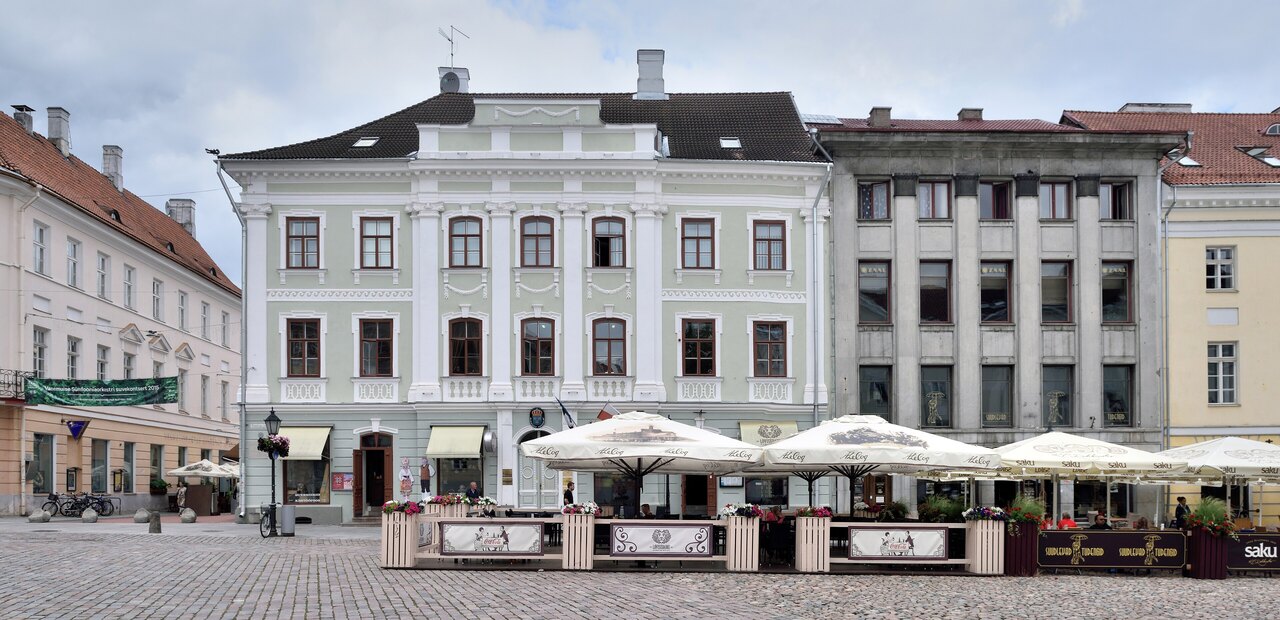
You cover the University of Tartu Main Building, the historic Cathedral ruins on Toome Hill, and the Aparaaditehas creative city. You wander through Supilinn's wooden houses and explore the central Town Hall Square, enjoying the youthful cafe culture at a brisk pace.
You give up: You skip the world-class Estonian National Museum and deep exploration of local park systems.
3 days
This ideal pace adds the massive Estonian National Museum, Raadi Manor park, and a relaxed afternoon by the Emajõgi river. You have time to properly browse the University Art Museum and enjoy Tartu's vibrant culinary scene without rushing between historic sites.
You give up: You miss out on deeper countryside excursions and regional lake beaches.
4 days
Four days allows a slower city pace plus a dedicated day trip. You deeply explore all major museums, university facilities, and parks while adding a full excursion beyond the urban core into southern Estonia's rolling landscapes.
You give up: Nothing vital is missed within the city limits or immediate region.
If you can stay longer
An extra two to three days unlocks Southern Estonia's diverse nature and heritage. You can take a rewarding day trip to Otepää, known as Estonia's winter capital, featuring rolling hills, Lake Pühajärv, and adventure parks, or visit the mystical Taevaskoja sandstone cliffs along the Ahja River.
Lock in the dates
Common questions
Is Tartu walkable?
Yes, Tartu is exceptionally compact and pedestrian-friendly. Most major sights, including the University, Toome Hill, Town Hall Square, and Supilinn, are within a comfortable 15 to 20-minute walk from each other, making public transport largely unnecessary for visitors exploring the historic core.
When is the best time to visit?
May through September offers the best weather, lush greenery, and lively outdoor cafe culture. Since Tartu is a major university town, the academic year (September to May) brings a vibrant youthful energy, while July and August are quieter as students leave for summer break.
How do I get there from Tallinn?
The most efficient route is the modern Elron train, taking about two hours with frequent daily departures. Buses are also frequent and comfortable. Both options drop you near Tartu's center, where a short walk brings you directly to the historic Old Town.