Home › Tarragona › How many days
How many days do you need in Tarragona?
Give Tarragona four days to properly absorb its Roman heritage and Mediterranean charm. Two days covers the massive Roman Amphitheatre and the medieval Old Town, while extra time lets you explore the early Christian necropolis and nearby beaches without rushing through the rich historical layers.
Short answer
2 days
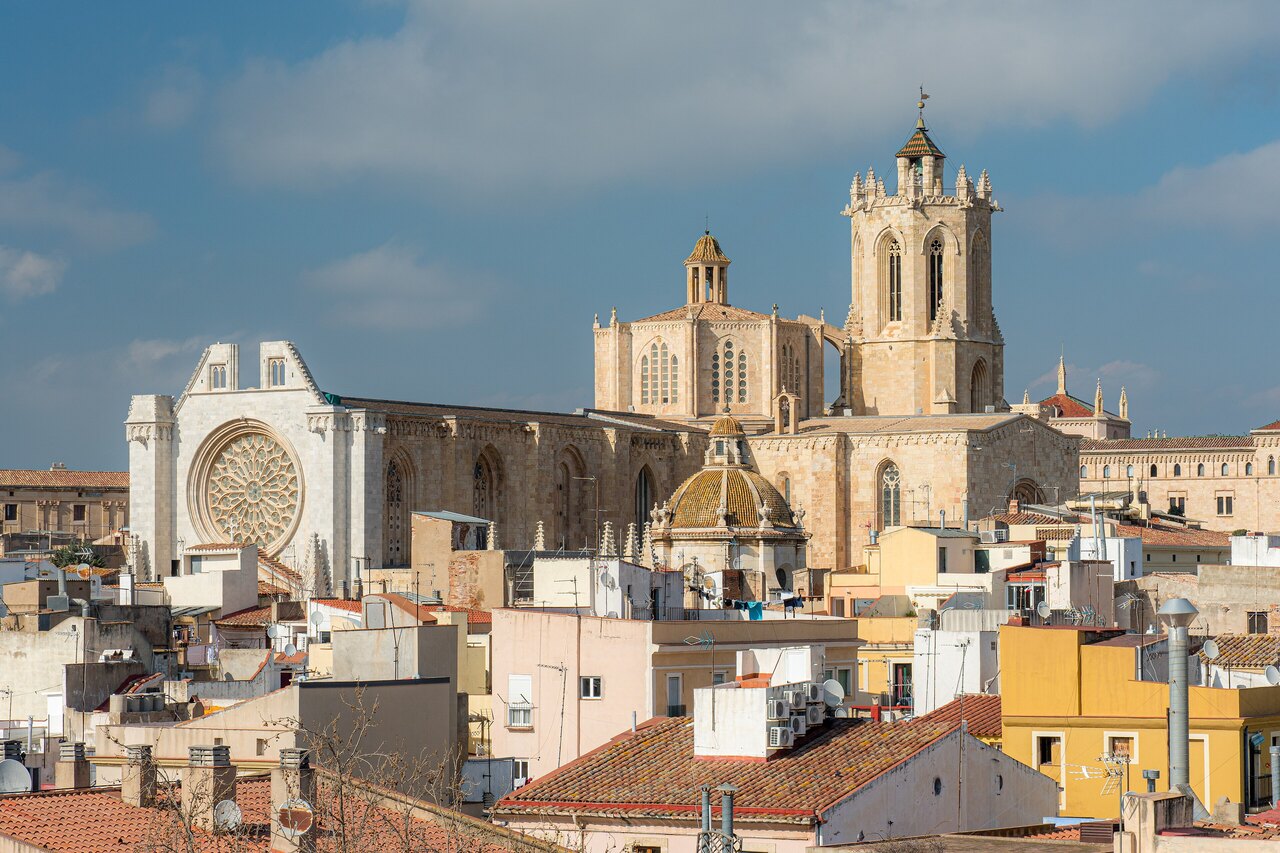
You can explore the dramatic Roman Amphitheatre overlooking the sea, walk the ancient walls at Passeig Arqueològic, and wander the Gothic Tarragona Cathedral in the Old Town.
You give up: You will miss the Roman Aqueduct of Pont del Diable and the extensive local beaches.
3 days
Add the breathtaking Pont del Diable Roman Aqueduct just outside the city, explore the Tinglado exhibition spaces at the Port, and relax on Playa del Milagro.
You give up: You skip the coastal nature reserves and deep-dive historical day trips.
4 days
Tackle the comprehensive National Archaeological Museum, tour the Roman Circus tunnels beneath Plaça de la Seu, and take a coastal hike along the Camino de Ronda.
You give up: You leave virtually nothing major undone within the city itself.
If you can stay longer
An extra two to three days buys a brilliant day trip to the Roman ruins of Altafulla and its charming medieval village, or a visit to the Priorat wine region for world-class tastings amidst dramatic vineyard-terraced hillsides.
Lock in the dates
Common questions
Is Tarragona walkable?
Yes, the historic centre and major Roman ruins are very compact and easily explored on foot. Comfortable walking shoes are essential because of steep inclines and uneven ancient stone streets leading down to the coastal areas.
How do I get there from Barcelona?
Tarragona is easily accessible from Barcelona by a direct regional train that takes about one hour, or via the high-speed AVE train to Tarragona station, situated a short bus or taxi ride from the city centre.
When is the best time to visit?
Spring and autumn offer pleasant weather for exploring the open-air archaeological sites without intense summer heat. Late May is especially vibrant during the Tarraco Viva festival celebrating Roman history.