Home › Saint-Louis › How many days
How many days do you need in Saint-Louis?
Saint-Louis deserves 4 days to absorb its fading colonial charm, vibrant Wolof culture, and coastal life. Two days barely scratch the surface of the UNESCO island and its bustling Faubourg de Sor, while four allow a relaxed pace to explore crumbling architecture, bustling fishing ports, and nearby Djoudj National Bird Sanctuary.
Short answer
2 days
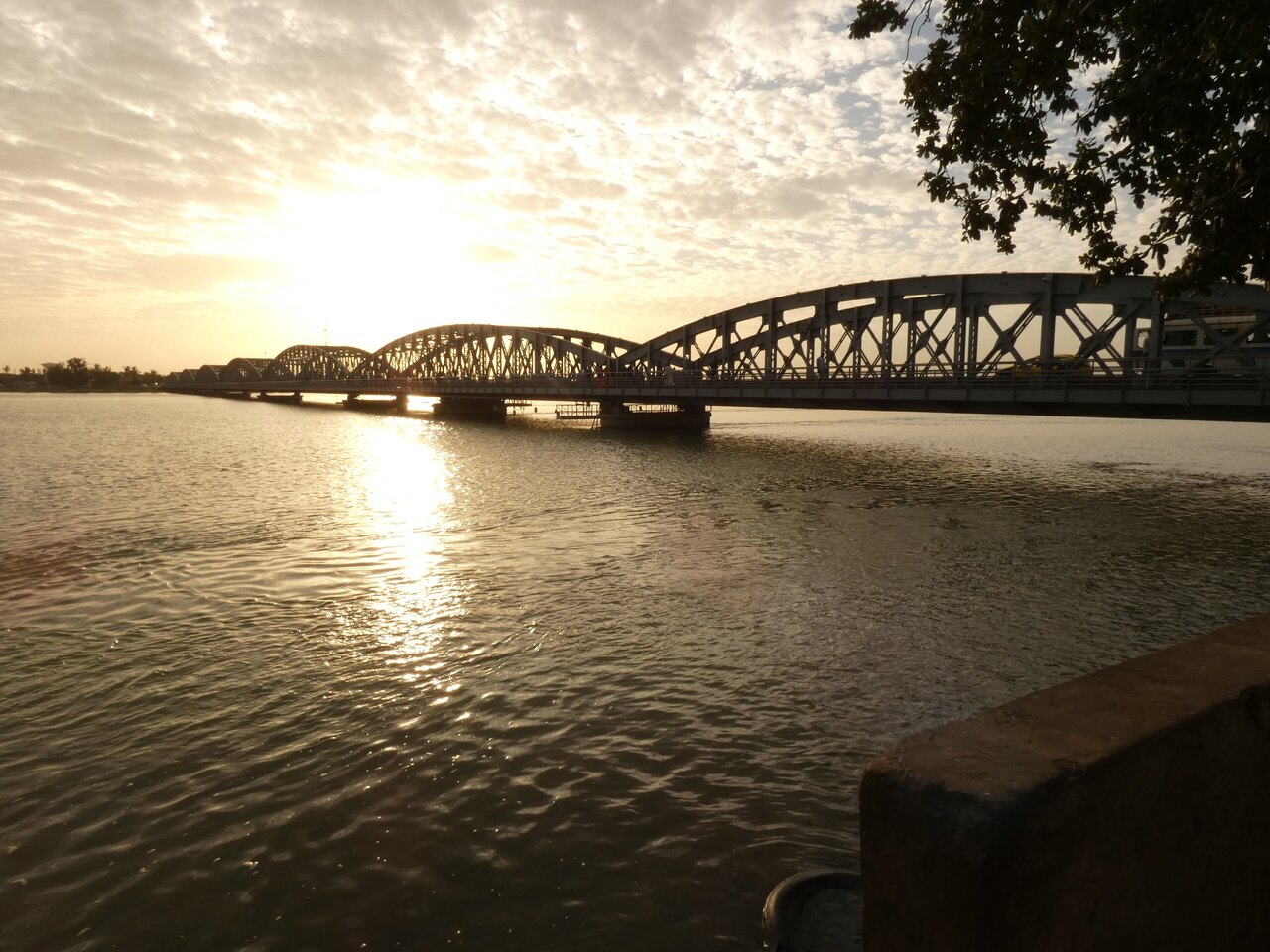
Focus strictly on the UNESCO island and Sor. Cross the Faidherbe Bridge, wander rue Gandon to admire colonial balconies, visit the Musée de la Photographie, and watch wooden pirogues return at Guet N'Dar as the sun sets over the Atlantic.
You give up: You completely miss the pelicans at Djoudj, the Langue de Barbarie dunes, and deeper cultural immersion in the mainland villages.
4 days
Unlocks the full Saint-Louis experience. Spend two days exploring the island's art galleries, artisan workshops, and lively markets. Dedicate day three to Djoudj Bird Sanctuary and day four to exploring the remote fishing settlements along the southern Langue de Barbarie.
You give up: You miss slow afternoons sipping attaya tea with local artists and multi-day excursions deeper into the northern Senegal River valley.
6 days
Provides an unhurried immersion. Beyond the island's galleries, Faidherbe bridge history, and Guet N'Dar fisheries, you get deep relaxation time, photography workshops, and slow exploration of the northern delta borderlands.
You give up: Nothing missed locally; this is the maximum sensible duration before repeating activities.
If you can stay longer
An extra 2-3 days buys a transformative deep dive into the Senegal River valley and the northern wilderness. You can take a slow pirogue trip upriver toward Richard-Toll to see the crumbling Château de Baron Roger, visit remote Fulani villages, and spend a night in an eco-lodge on the Langue de Barbarie sandspit.
Lock in the dates
Common questions
When is the best time to visit?
The ideal time is between November and February during the dry season, when temperatures are cooler and migratory birds flood the Djoudj Sanctuary. Avoid the rainy season from July to October, as humidity spikes, unpaved roads flood, and many seasonal wetland attractions close down completely.
How do I get around Saint-Louis?
The UNESCO island itself is compact and best explored entirely on foot or by bicycle. For crossing to the mainland Faubourg de Sor or visiting Guet N'Dar, yellow and black taxis are abundant, remarkably cheap, and available everywhere without needing pre-booking apps or complex negotiation.
Is Saint-Louis safe for tourists?
Saint-Louis is generally very safe, known for the legendary teranga (hospitality) of its Wolof residents. Petty theft can happen in crowded markets like Sor, so keep valuables secure. Navigating Guet N'Dar's dense alleys is best done with a local guide out of cultural respect.