How many days do you need in Pula?
Spend 4 days to fully appreciate Pula. Two days are tight for the city center, while four allow for deep dives into Roman history at the Arena and Temple of Augustus, plus leisurely afternoons exploring the Kamenjak Peninsula’s rugged coast without rushing through the heat and summer crowds.
Short answer
2 days
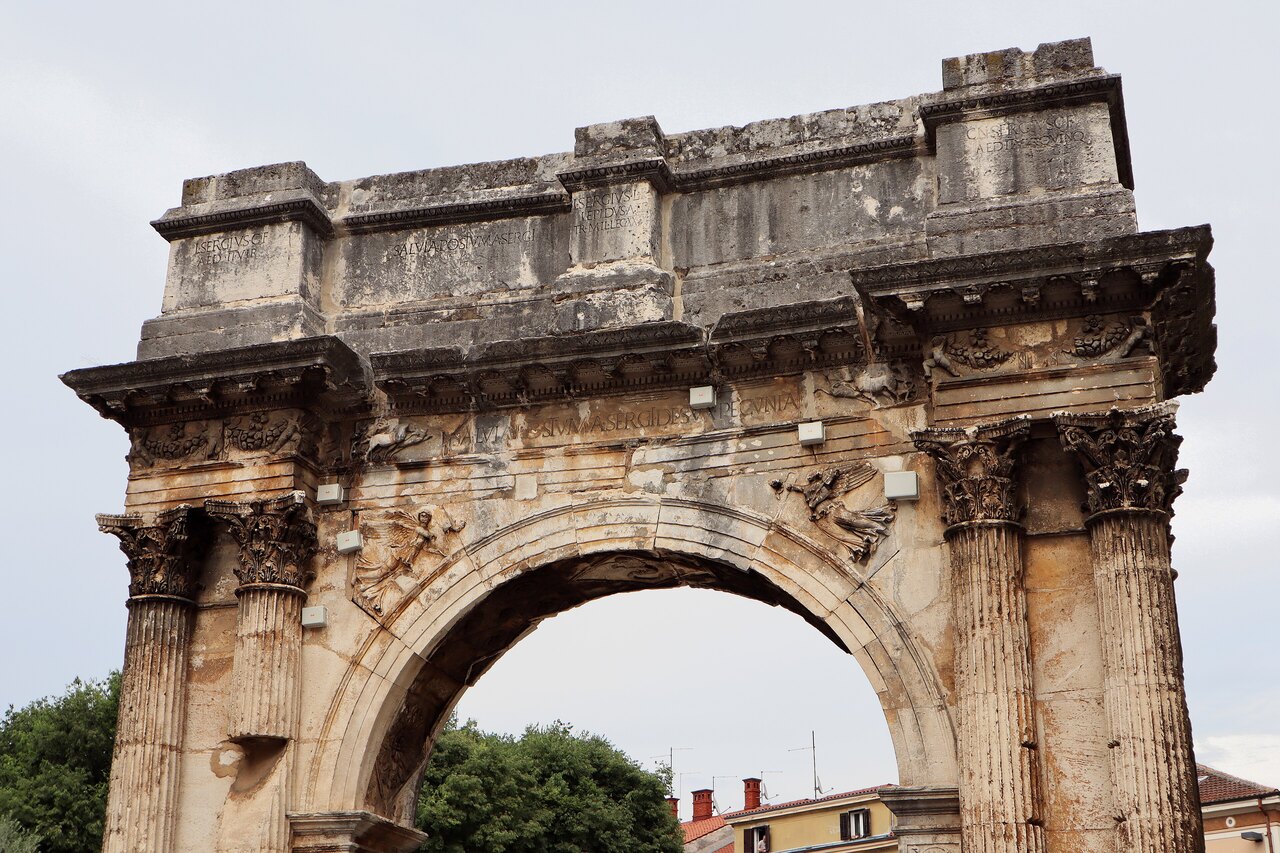
Focus on the Roman core: start at the Pula Arena, wander to the Forum, and see the Temple of Augustus. Use the second day for a quick swim at Stoja or Verudela beach. It is a sprint focused entirely on historical density and essential urban architecture.
You give up: You sacrifice any regional exploration, coastal hikes in Premantura, or the charming, quiet hilltop towns like Motovun found in the Istrian interior.
3 days
Spend two days on the city’s Roman ruins and local museums. Dedicate the third day to the Brijuni National Park. Taking the ferry from Fažana allows you to see the safari park and Tito’s legacy, blending Pula's ancient history with unique natural landscapes.
You give up: You bypass the gastronomic tours of inland Istria and skip the slower, relaxed pace of the seaside villages found further down the southern coast.
4 days
Follow the three-day plan but dedicate the final day to the Kamenjak Peninsula. Rent a bike to reach secluded coves, jump from cliffs, and visit the Safari Bar. This pace lets you enjoy Pula’s nightlife and evening strolls around Sergijevaca Street without feeling exhausted.
You give up: You only miss the more distant northern Istrian coastal cities like Rovinj or Poreč, which deserve their own dedicated trips rather than being day-tripped.
If you can stay longer
An extra 2-3 days allows for excursions into Istria’s heart. Rent a car to visit Motovun for truffle tasting and medieval walls, or spend a day in the artists' colony of Grožnjan. It transforms a historical city break into a comprehensive cultural exploration of the entire peninsula.
Lock in the dates
Common questions
Is a car necessary in Pula?
For the city center, no; it is walkable. However, if you plan to visit the Brijuni ferry terminal in Fažana or the beaches of Kamenjak, a car is highly recommended. Public buses exist but are infrequent and often crowded during the high season, making them unreliable for tight schedules.
When is the best time to visit?
Late May, June, or September. July and August are stiflingly hot and overcrowded with tourists, making queues for the Arena very long. Visiting in the shoulder season ensures pleasant weather for coastal hiking, shorter lines at historical sites, and a much more authentic atmosphere in local taverns.
Are the beaches good?
Pula features primarily rocky or pebbled beaches rather than sand. The water quality is exceptional and crystal clear, especially around the Verudela and Stoja peninsulas. Bring water shoes, as the seabed can be sharp. These spots are perfect for snorkeling but lack the soft dunes found elsewhere.