Home › Paleochora › How many days
How many days do you need in Paleochora?
Give Paleochora 4 days. It is the premier hub for southwest Crete, offering direct ferry access to dramatic gorges, isolated beaches, and historic ruins. Two days covers the local beaches, but four allows essential coastal hikes and ferry trips to Sougia or Elafonisi without rushing transit.
Short answer
2 days
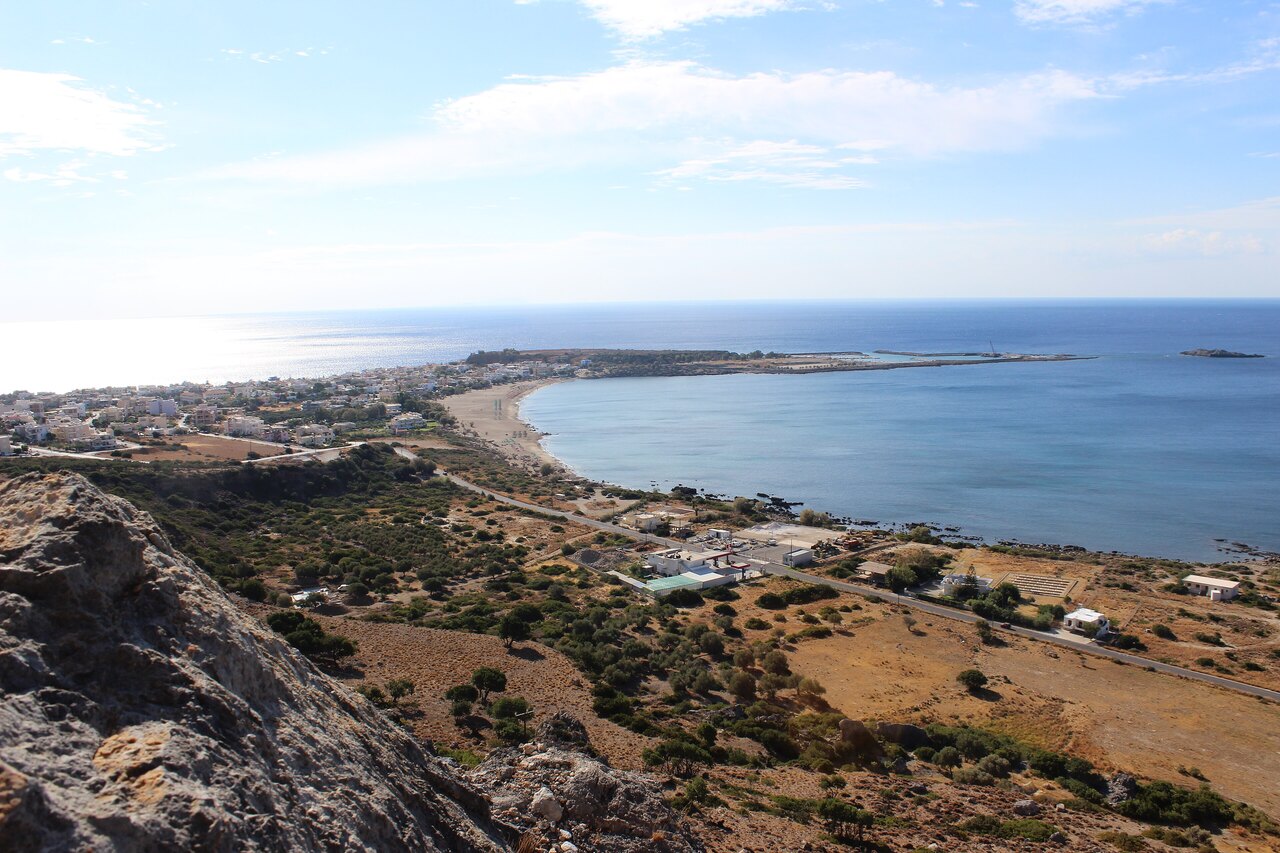
Focus on Paleochora itself. Spend day one exploring Pachia Ammos beach, the Venetian Fortezza ruins on the headland, and evening dining in the pedestrian center. Day two features a hike along the E4 path to the ancient site of Lissos or a relaxing ferry trip to quiet Gialiskari Beach.
You give up: You skip Samaria Gorge, the ferry to Agia Roumeli, and dedicated day trips to Elafonisi or Gavdos island.
4 days
Days one and two cover local beaches, the Venetian fort, and Lissos. On day three, take the morning ferry to Elafonisi to beat the road crowds, returning by boat. Day four is spent hiking the Imbros or Samaria Gorge, taking the coastal ferry back to Paleochora by evening.
You give up: You miss taking the remote ferry to Europe's southernmost point, Gavdos Island, and exploring deep inland villages like Azogyres.
6 days
Enjoy the full 4-day itinerary, adding a overnight or long day trip by ferry to Gavdos Island for isolated beaches like Sarakiniko. Use the extra time to explore the mystical 99 Holy Fathers monastery and waterfalls in nearby Azogyres village, plus leisure time on Anydri beach.
You give up: Very little, though you miss northern Cretan cities like Chania and Heraklion, remaining focused strictly on the rugged south.
If you can stay longer
An extra 2-3 days allows a ferry journey to remote Gavdos Island, a full-day trek through the Agia Irini Gorge ending in Sougia, or extended relaxation at the secluded beach of Krios.
Lock in the dates
Common questions
How do you get around Paleochora without a car?
The local ANENDYK ferry system connects Paleochora directly to Elafonisi, Sougia, Agia Roumeli, Sfakia, and Gavdos. KTEL public buses run reliably to Chania. For nearby spots like Anydri or Gialiskari, local taxis and walking paths are sufficient.
When is the best time of year to visit Paleochora?
May to June and September to October offer ideal weather. Summer temperatures can exceed 35°C, making coastal hiking dangerous. The crucial ferry services run regularly from May through October, but drop significantly during the stormy winter months.
Is Paleochora better than Chania for a base?
It depends on your travel style. Chania offers refined Venetian architecture, rich history, and night life. Paleochora is vastly better for a relaxed, small-town atmosphere, immediate beach access, and straightforward ferry connections to south coast gorges and isolated coves.