Home › La Palma › How many days
How many days do you need in La Palma?
Give La Palma at least 7 days to truly appreciate its dramatic landscapes, from the volcanic heights of Roque de los Muchachos to the lush ravines of Los Tilos. Because winding mountain roads make travel slow and weather at high altitudes changes fast, rushing is impossible.
Short answer
3 days
Drive up to Roque de los Muchachos for stargazing and crater views. Explore the colorful streets and wooden balconies of Santa Cruz de La Palma, then hike a manageable section of the Caldera de Taburiente national park trail.
You give up: You will miss the southern volcanic route, coastal pools like Charco Azul, and the deep laurel forests of the north.
5 days
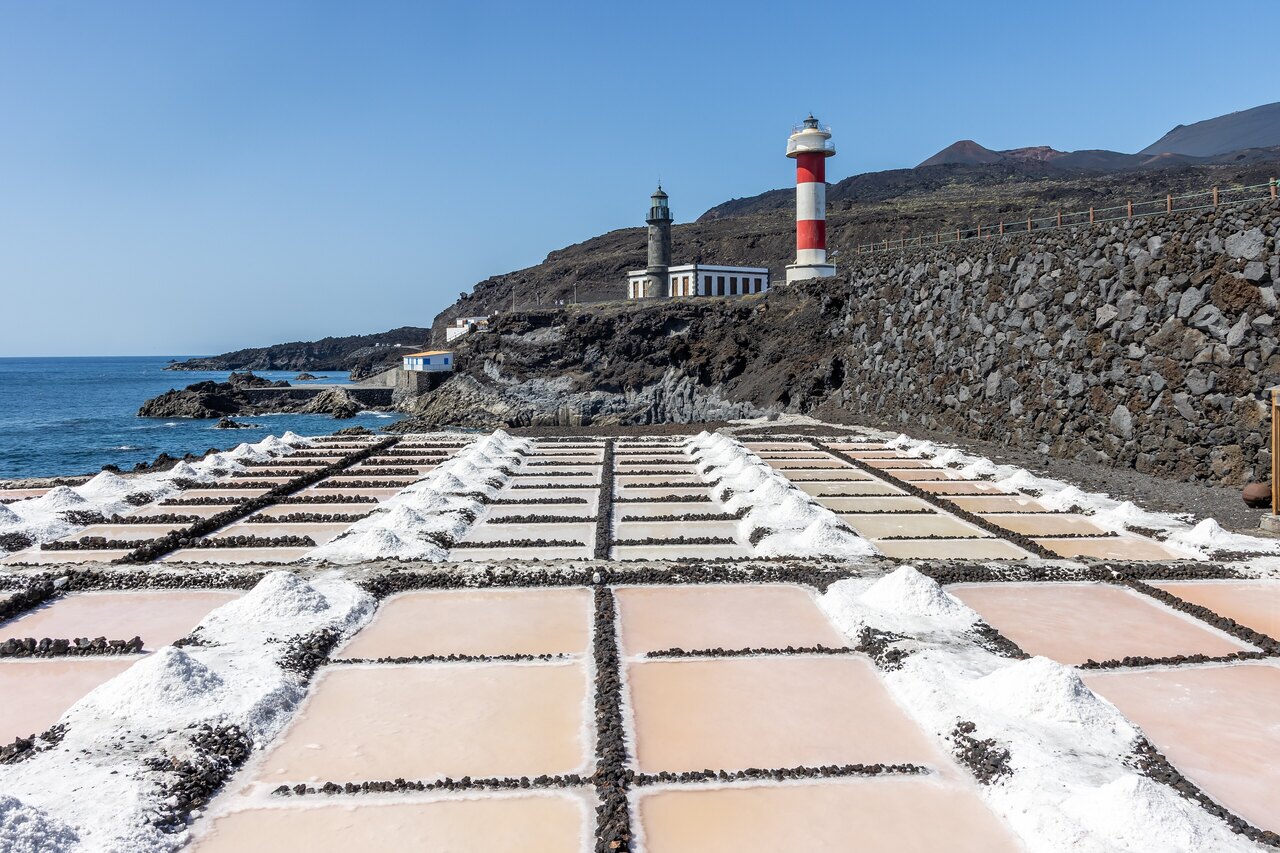
Combine the high peaks and Santa Cruz with a trip south to Fuencaliente to see the San Antonio and Teneguía volcanoes and Salinas lighthouse. Spend a day walking through the magical laurel forest of Los Tilos and relaxing in San Andrés.
You give up: You sacrifice a full traverse of the Caldera interior and the remote western sunset spots like Tazacorte.
7 days
Explore the entire island at a realistic pace. Conquer the full Caldera de Taburiente rim hike, tour the volcanic south, swim in Puerto de Tazacorte, and spend evenings stargazing from pristine viewpoints without exhausting daily drives.
You give up: Nothing essential; this duration covers all major geographical zones and allows for weather contingencies.
If you can stay longer
An extra 3 days unlocks a fantastic day trip to the prehistoric-feeling Parque Natural de Cumbre Vieja for the Volcano Route hike, visiting the secluded pirate bay of Porís de Candelaria, and deeply exploring the rugged western cliffs and coffee plantations of Puntagorda.
Lock in the dates
Common questions
Do I need a rental car on La Palma?
Yes, absolutely. Public buses are infrequent and do not reach trailheads or high-altitude viewpoints like Roque de los Muchachos. Renting a reliable car is essential for navigating the steep, winding mountain roads and making the most of your limited time on the island.
When is the best time for stargazing?
La Palma is a Starlight Reserve with exceptionally clear skies and strict light pollution laws. While year-round stargazing is phenomenal, autumn and winter offer the clearest nights, though you should always check summit weather conditions before driving up after dark.
Is La Palma good for hiking?
It is one of the world's premier hiking destinations, featuring diverse trails through volcanic terrain, pine forests, and deep ravines. Because routes often involve significant elevation changes and microclimates, sturdy footwear and layers are mandatory.