Home › Jaisalmer › How many days
How many days do you need in Jaisalmer?
Jaisalmer requires 4 days to balance the intensity of the living Golden Fort with the serenity of the Thar Desert. Two days cover the fort and city havelis, while extra time allows for authentic camel safaris and desert village visits without rushing through security queues or travel transitions.
Short answer
2 days
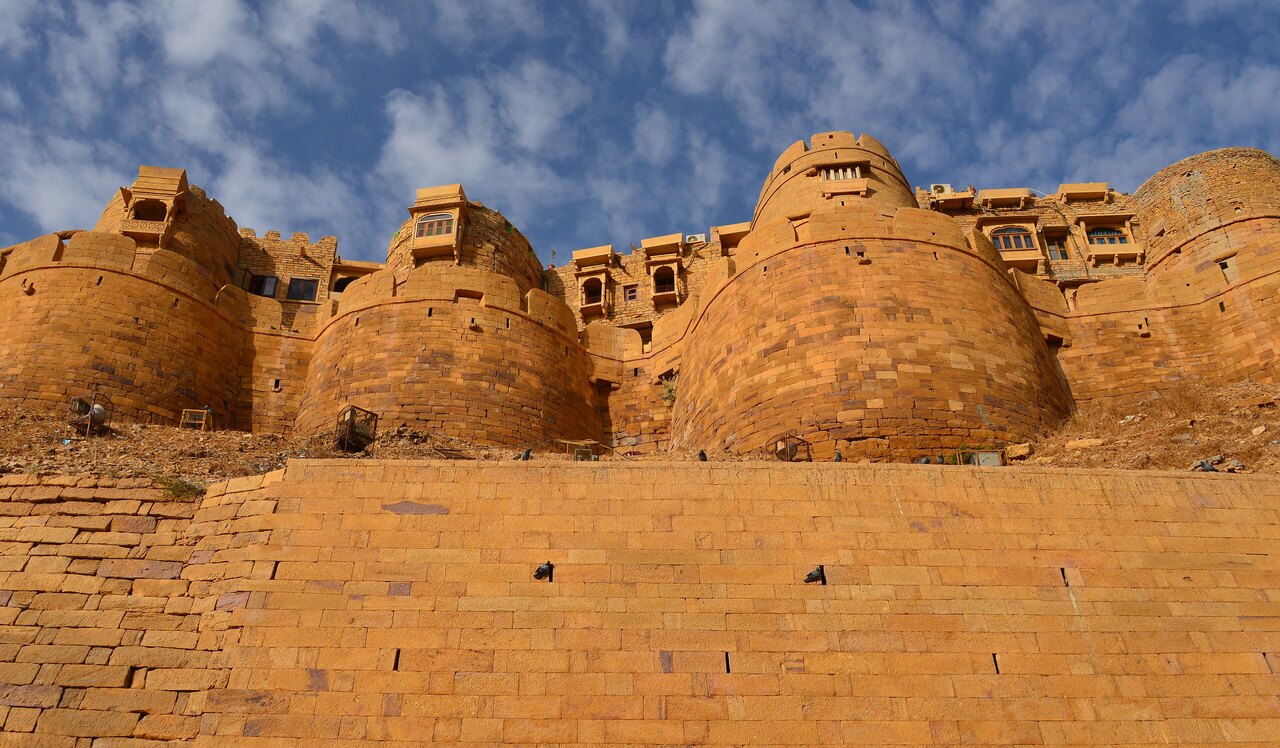
Focus on the Jaisalmer Fort, Patwon Ki Haveli, and Gadisar Lake. You will explore narrow lanes inside the fort walls and catch the sunset at Vyas Chhatri. Expect significant walking time and slow service at fort restaurants due to limited space and crowds.
You give up: You sacrifice an overnight desert camping experience, remote village tours like Kuldhara, and the relaxed pace needed to navigate the desert heat.
3 days
Includes the 2-day highlights plus a half-day trip to the abandoned Kuldhara village and an evening camel trek at Sam Sand Dunes. You gain time to visit the Bada Bagh cenotaphs during the cooler morning hours and shop for local textiles in Sadar Bazaar.
You give up: You skip deep-desert excursions further into the Thar, extended cultural workshops, and slower, multi-day camel treks through remote, non-touristy dunes.
4 days
This allows a full, slow-paced desert experience. Dedicate one day to an overnight stay in a luxury tented camp away from Sam’s tourist chaos. Spend your final day visiting the Tanot Mata Temple or Khaba Fort, offering deeper insight into the border history and nomadic heritage.
You give up: Nothing critical; you see the absolute best of Jaisalmer and its surrounding desert landscapes at a comfortable, leisurely pace.
If you can stay longer
An extra 2-3 days allow for a remote safari into the Desert National Park to spot Indian bustards. You can visit the border outpost at Longewala or engage in multi-day homestays in traditional mud huts, providing a profound perspective on desert survival and art that short-stay tourists entirely miss.
Lock in the dates
Common questions
Is the Jaisalmer Fort safe?
The fort is a living monument and generally safe, but its infrastructure is delicate. Avoid heavy vehicles near the ramparts. Stick to well-trodden paths during the day, as narrow alleys become disorienting at night. Always hire a local guide to navigate the labyrinthine structure effectively.
When is the best time to visit?
November to February is ideal, as desert temperatures are pleasant. March through October sees extreme heat, often exceeding 40°C, making outdoor sightseeing dangerous. Plan for cool desert nights during winter; pack layers, as temperatures drop significantly after sunset, particularly during camping trips.
How do I handle the local touts?
Touts are common near the fort entrance and railway station. Politely decline unsolicited offers for camel safaris or shopping. Book tours through reputable hotels or established travel agencies with physical offices. A firm 'no' is effective; avoid engaging in lengthy conversations if you are not interested.