How many days do you need in Girona?
Spend 4 days to truly absorb Girona's charm. You need time for the Cathedral, the ancient Jewish Quarter, and the medieval city walls without rushing. Four days allow a relaxed pace to explore the winding lanes of Barri Vell, enjoy the riverside cafes, and take meaningful day trips to the rugged Costa Brava coast or nearby medieval villages.
Short answer
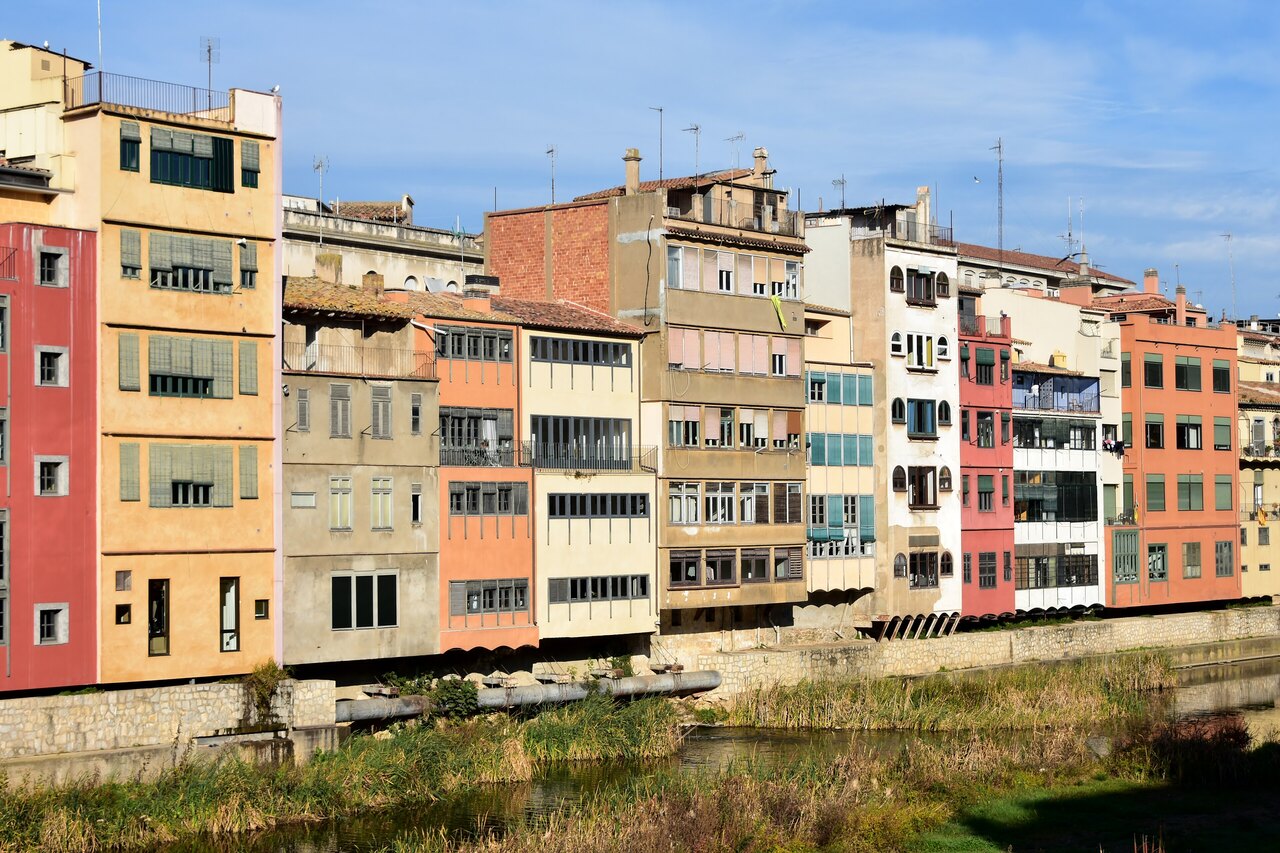
2 days
Focus exclusively on the historic center. Spend day one walking the Muralles de Girona city walls and exploring the Jewish Quarter. On day two, visit the Girona Cathedral, the Arab Baths, and cross the Eiffel Bridge. You will see the essential highlights and experience the city's unique, well-preserved medieval atmosphere.
You give up: You lose time for local museums, leisurely coffee breaks in Plaza de la Independencia, or visiting the surrounding Empordà countryside or coastline.
3 days
Extend your visit to include the Cinema Museum and the Archaeological Museum. Three days allow for a deeper dive into the Romanesque architecture and the history of Sant Pere de Galligants. You can properly enjoy lunch at traditional taverns and wander the artisan shops throughout the Old Town without feeling constantly rushed.
You give up: You still miss out on exploring the nearby coastal towns like Cadaqués or the Dalí Museum in Figueres, which require significant travel time.
4 days
Four days provide the perfect balance. You cover every corner of the historic city, including the Basilica of Sant Feliu, and still have ample time to visit the Dalí Museum in Figueres or spend a full day on the Costa Brava. It is the ideal duration for a stress-free, immersive experience.
You give up: Hardly anything. You have successfully balanced sightseeing with the authentic, slow-paced lifestyle of Catalonia.
If you can stay longer
An extra 2-3 days allow for a deeper exploration of the Girona province. You can easily take a day trip to the volcanic region of La Garrotxa for hiking in Fageda d'en Jordà or visit the dramatic coastal landscapes of Cap de Creus. It transforms your trip from sightseeing to local immersion.
Lock in the dates
Common questions
Is Girona walkable?
Yes, the historic center is incredibly compact and pedestrian-friendly. Most major sights, including the Cathedral and Jewish Quarter, are within a 10-minute walk of each other. Expect steep stone stairs and cobblestones, so comfortable walking shoes are essential. You only need transport if you plan on taking day trips.
When is the best time to visit?
Late spring, specifically May, or early autumn in September and October are ideal. The weather is comfortably warm for walking the city walls, avoiding the intense heat of July and August. If you visit in May, you might catch the Temps de Flors, where the entire city is decorated with flowers.
Do I need a car?
Not if you only plan to stay within Girona city. The public transport network is excellent, with high-speed trains connecting Girona to Barcelona and Figueres in minutes. However, a car is recommended if you intend to explore hidden rural villages or remote beaches on the Costa Brava at your own pace.