Home › Big Island › How many days
How many days do you need in Big Island?
Give the Big Island 5 days to cover its vast size. Driving from Kona to Hilo takes 2 hours alone. You need time for Volcanoes National Park, the Kona coffee belt, and the northern Kohala coast. A 3-day trip is rushed, while 5+ days allows for relaxed snorkeling at Kealakekua Bay and stargazing atop Mauna Kea.
Short answer
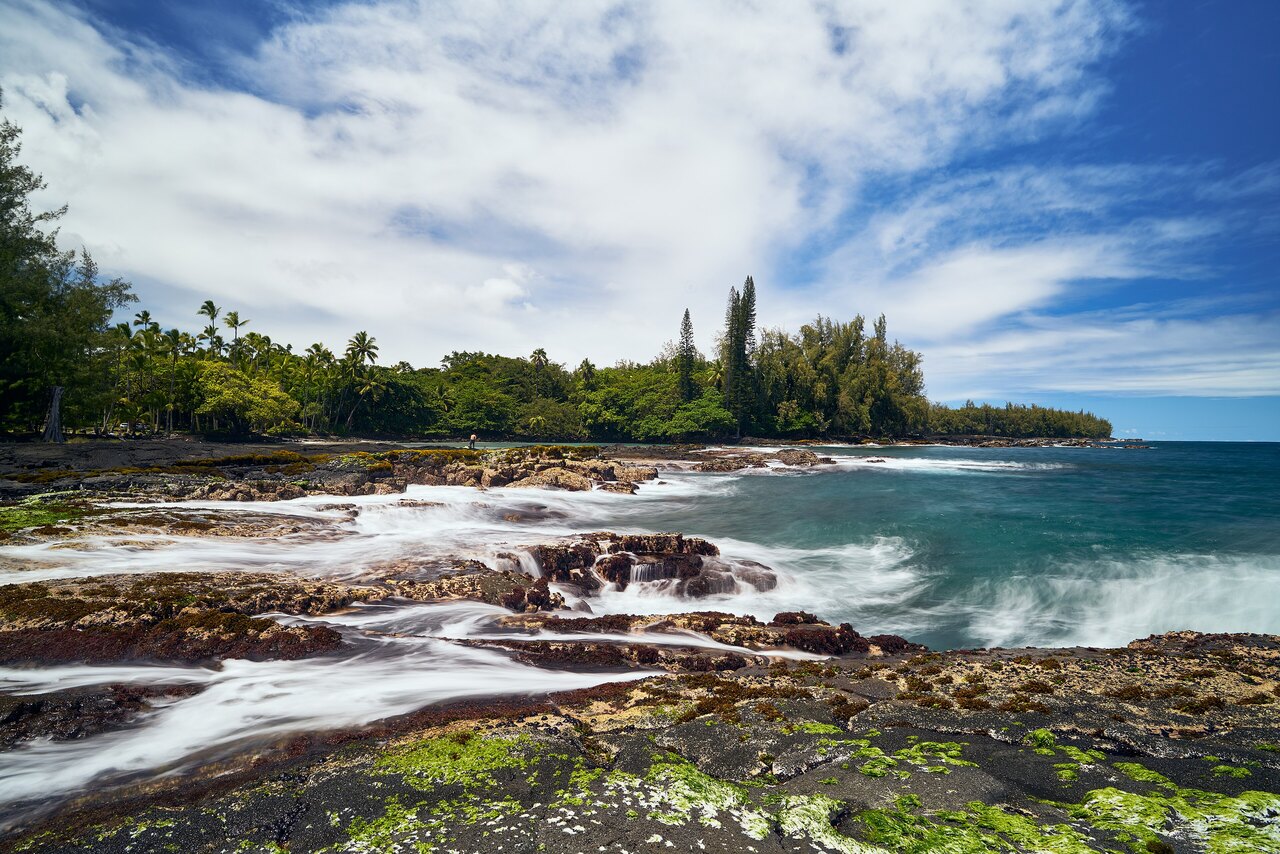
3 days
Focus on the Kona side. Spend day one exploring the Coffee Belt and Pu'uhonua o Hōnaunau. Day two, drive to Hawaii Volcanoes National Park to hike the Kilauea Iki Trail. Day three, enjoy beaches like Hapuna before flying out. It is a sprint requiring early starts to manage heavy traffic near Kailua-Kona.
You give up: You sacrifice the lush Waipi'o Valley lookout, Akaka Falls in Hilo, and a full day exploring the remote, rugged scenery of the northern Kohala coast.
5 days
This allows a loop. Spend two nights in Kona visiting Kaloko-Honokōhau, then head to Hilo for two nights to see Rainbow Falls and the Hawaii Tropical Botanical Garden. Dedicate one full day to Volcanoes National Park. Finally, visit the black sand beach at Punalu'u before returning to the Kona side via the southern route.
You give up: You skip extensive relaxation time at luxury resorts and miss the chance for a dedicated multi-day snorkel or deep-sea fishing excursion in the Pacific.
7 days
Experience everything. Add an evening stargazing tour at Mauna Kea Summit, explore the historic town of Hawi, and hike into Pololu Valley. Take your time enjoying the farmers' markets in Hilo and swimming with manta rays at night. This pace removes the stress of driving several hours daily between island regions.
You give up: Even with a week, you might miss some of the ultra-remote off-road trails in the Kohala Forest Reserve or deep backcountry hikes requiring specialized permits.
If you can stay longer
An extra 3 days buys time for a dedicated day trip to the Hilo side’s Mauna Kea Forest Reserve or a scenic drive to the Waipi'o Valley lookout. It transforms the trip from a series of exhausting road segments into a genuine exploration of diverse climates, from tropical rainforests to high-altitude volcanic deserts.
Lock in the dates
Common questions
Do I need a 4x4 vehicle?
Only if you plan on driving to the Mauna Kea summit or accessing remote beaches like Green Sand Beach. For standard tourist loops between Kona and Hilo, a standard sedan or SUV is perfectly adequate. Always check rental agreements regarding off-road restrictions before venturing onto unpaved trails or lava fields.
Which side of the island is better to stay on?
Kona offers sunny, dry weather and world-class snorkeling. Hilo is wetter but provides lush rainforests and closer access to Volcanoes National Park. Most travelers split their stay: 3 nights in Kona for ocean activities and 2 nights in Hilo to experience the dramatic volcanic landscapes and waterfalls without long commutes.
Are the volcanoes always active?
Kilauea is highly active and frequently exhibits lava flows within the summit crater. Check the official USGS Hawaii Volcano Observatory website daily for alerts. While visible glow is common at night, actual lava viewing depends on current activity levels. The park itself is always open and offers incredible geologic features regardless of eruptions.