Corfu: What a Trip Really Costs
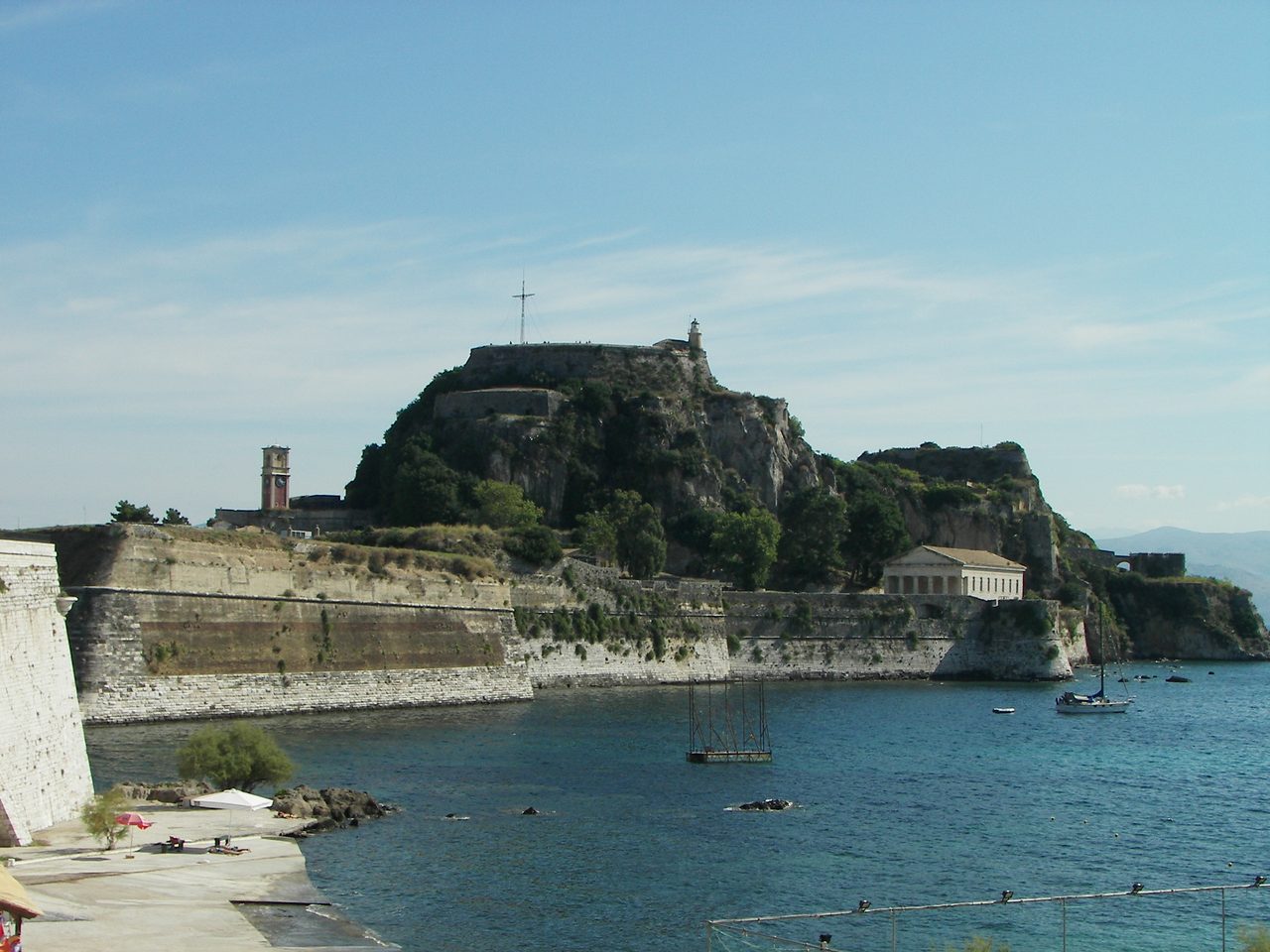
Corfu has a reputation for being expensive, and it is partly deserved. But if you know where to look and when to go, you can manage on a sensible budget without giving up anything that matters. Here is what to expect.
Flights: when to book
Corfu has its own airport (CFU), so there is no transfer from another city. From Athens, direct flights take about 55 minutes. Book 6–8 weeks ahead and you will find fares from €40 to €80 one way with Aegean or Sky Express.
In August, prices climb easily to €120–180. Come in May or September and you win twice: cheaper flights and fewer people. From Thessaloniki there are seasonal connections, usually via Athens.
Where to stay: from hostel to boutique hotel
Accommodation prices vary a lot by area and season. Here are some ranges to give you a picture:
- Hostel / guesthouse room: €20–45 per night
- Airbnb or B&B outside town: €50–90
- 3-star hotel in Corfu Town: €70–130
- Boutique or 4-star resort: €130–250+
The Old Fortress and the old town (Liston) are central spots with real character. If you want quiet, look at Gastouri, Benitses or Paleokastritsa — more affordable and calmer.
Food: the truth about the restaurants
Food in Corfu can be either very good or very expensive for what you get — sometimes both at once. In the old town, at the tourist spots, a main course starts at €12–18 and climbs easily.
The sensible alternative: look for tavernas in the Mandraki and Kanoni neighbourhoods, or in the village of Kato Korakiana. There you will find mezedes, sofrito (the local dish) and house wine for €15–22 per person in total. Coffee: €2–3.50, a beer in a bar: €4–6.
Getting around the island
Corfu's local bus network covers a fair number of routes, but services are infrequent. A ticket costs €1.70–3 depending on distance. For the town and nearby beaches it is enough.
If you want freedom, a rental car costs €35–60 per day in June–July, less out of season. A scooter: €20–30. A taxi from the airport into town (about 3 km): €10–15. Worth knowing: the airport is unusually close to the centre, which is rare for a Greek island.
Daily budget: three scenarios
Depending on how you travel, your daily cost (excluding flights) works out roughly like this:
- Budget: hostel + souvlaki + local bus = €50–70 per day
- Mid-range: Airbnb + taverna + scooter hire = €90–130 per day
- Comfortable: 3–4* hotel + restaurant + car = €160–220 per day
For five days, the mid-range scenario comes to around €550–700 in total, excluding flights. Add €80–160 for the flights and you have a fairly realistic picture.
When to go — and when to avoid
August is the most expensive and most crowded month. If you are not tied to it, it is probably not worth the trouble — prices peak, crowds everywhere, and you must book well ahead.
June and September are the best choice: the sea is warm, there are fewer people, and prices are 20–30% lower. May is lovely, but some businesses have not opened yet. In October the island goes quiet — ideal if you like walking and architecture without the tourist pressure.
What is worth the money — and what is not
It is worth spending time (and a few euros) in Corfu Old Town — it is UNESCO-listed and genuinely different from what you are used to on Greek islands. Paleokastritsa deserves a day, crowds and all. The Achilleion palace costs about €7 to enter and makes a good outing.
On the other hand, skip the beach bars at Kanoni with their €14–18 cocktails — they offer nothing you cannot find elsewhere. And the tourist restaurants right beside the Liston charge mainly for the view, not the quality.
Build your own itinerary with Tony →