Italy on a Budget: Your Complete Money-Saving Travel Guide
Why Italy Is More Affordable Than You Think
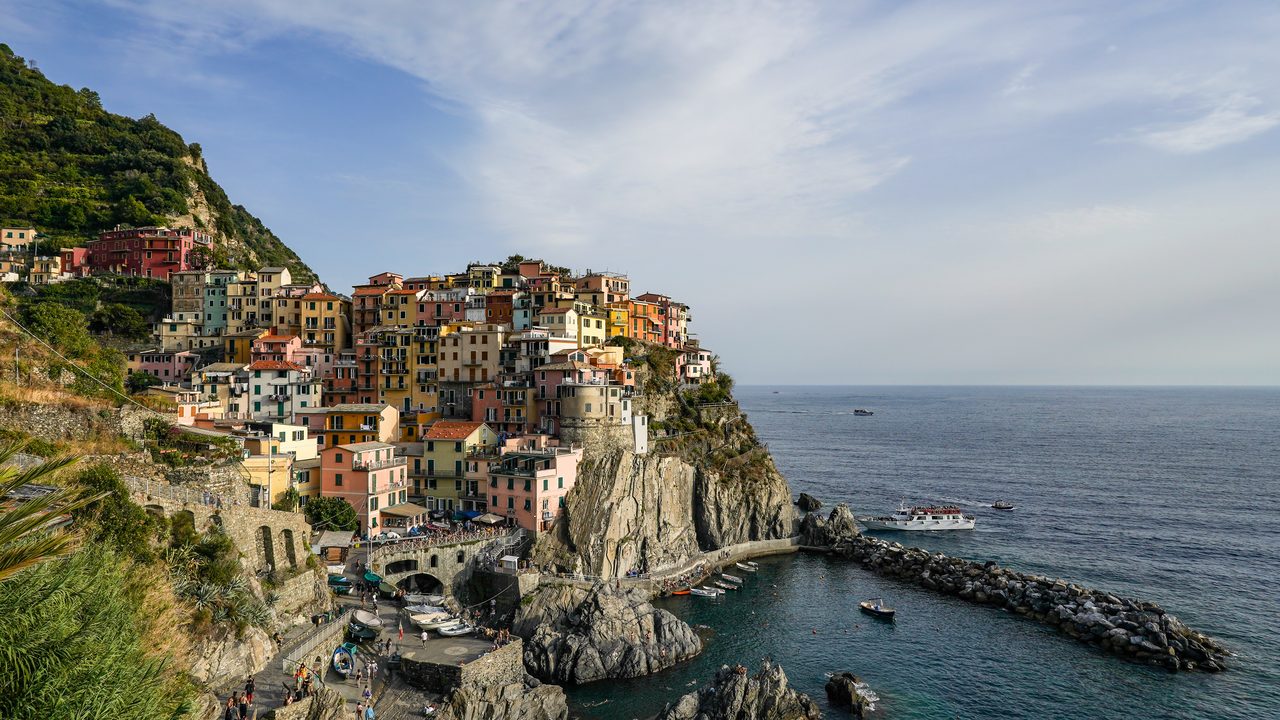
Italy has a reputation for luxury fashion, Michelin-starred restaurants and designer everything. But scratch beneath the glossy surface and you will find one of Europe's most rewarding destinations for budget-conscious travelers. From free Roman ruins to two-euro espressos at a neighbourhood bar, Italy rewards those who travel smart. This guide gives you the practical tools to see la bella Italia without emptying your bank account.
Getting There Without Paying Full Price
Flights are usually the biggest expense, so start here. Budget carriers such as Ryanair, easyJet and Wizz Air connect dozens of European cities to Italian airports in Rome, Milan, Naples and Bari, often for under 40 euros each way if you book six to ten weeks in advance. Avoid Rome Fiumicino and Milan Malpensa when possible as airport transfer costs can add 30 to 50 euros to your trip. Instead, look at Ciampino for Rome or Bergamo for Milan, both well-served by cheap bus links.
Traveling from outside Europe? Position flights into a less popular Italian gateway like Catania or Bologna to find lower fares, then use the excellent domestic train network to reach your main destinations.
Cheap and Comfortable Places to Stay
Accommodation in Italy spans a wide range. Budget travelers have three main options:
- Hostels: Major cities like Rome, Florence and Venice have vibrant hostel scenes. Expect to pay 18 to 35 euros per night for a dorm bed, often including breakfast. Check Hostelworld and Booking.com for highly rated options.
- Affittacamere: These are small, family-run guesthouses that sit between a B&B and a private rental. They are frequently cheaper than hotels and offer genuine local hospitality.
- Agriturismo stays: Outside the main cities, agriturismi offer rooms on working farms, often with homemade meals included. Prices in rural areas like Puglia, Umbria or Sicily can be as low as 40 euros per night for a double room.
Timing matters enormously. Visiting in May, early June or September instead of July and August can cut accommodation costs by 30 to 50 percent while delivering better weather and smaller crowds.
Eating Like an Italian on a Shoestring
Food is where Italy truly rewards budget travelers. Follow these simple rules and eat extraordinarily well for very little money.
Eat Where the Locals Eat
Walk two streets away from any famous landmark and prices drop dramatically. Look for a daily handwritten menu outside a trattoria. A three-course pranzo (lunch) with house wine often costs 12 to 15 euros and is one of the great pleasures of Italian travel.
Master the Bar Culture
An espresso costs around one euro standing at the bar. Sit down and that same coffee can cost three euros or more. Italians always drink standing at the counter and so should you. The same logic applies to cornetti, the Italian croissant, which makes a filling and cheap breakfast.
Shop at Markets and Supermercati
Mercato Centrale in Florence, Campo de Fiori in Rome and Ballaro in Palermo are not just tourist attractions. They are working food markets where you can assemble a superb picnic lunch for three to four euros. Pick up local cheeses, cured meats, fresh bread and seasonal fruit.
Free and Low-Cost Sights Across Italy
Italy's greatest attractions are often its streets, piazzas and coastlines, all of which are completely free. Here are some highlights that cost nothing:
- The Pantheon in Rome (small entry fee, but the exterior and surrounding piazza are free)
- Walking the centro storico of any Italian town after dark
- Swimming at beaches along the Adriatic coast near Rimini or in Calabria
- Climbing to the hilltop village of Civita di Bagnoregio for extraordinary views
- Exploring the Sassi cave districts of Matera, a UNESCO World Heritage Site
Most state museums offer free entry on the first Sunday of every month. This includes the Colosseum, the Borghese Gallery and the Uffizi. Plan your itinerary around these free days and you can save 60 to 80 euros per person on entrance fees alone.
Getting Around Italy for Less
Italy's regional trains (Regionale and InterCity services run by Trenitalia) are slow but remarkably cheap. Rome to Naples can cost as little as 12 euros. For longer journeys, FlixBus connects major cities at rock-bottom prices, sometimes under five euros if you book early.
Plan the Perfect Italian Budget Trip with Tony AI
Putting all these elements together, from cheap flights and free museum days to market lunches and agriturismo stays, takes real planning. That is where Tony AI at tonyplan.com can help. Simply tell Tony your budget, travel dates and the regions you want to explore, and it will build a personalised Italian itinerary that maximises your experience while keeping costs firmly under control.
Final Thoughts
Italy does not have to be an expensive dream. With the right timing, a little local knowledge and a willingness to eat where the Italians eat, you can experience Roman history, Renaissance art, fresh pasta and sun-drenched coastlines for far less than you might expect. Start planning today and let Italy surprise you.
Plan your Italy trip with Tony →